Basement Waterproofing Solutions for Finished Basements
People searching for basement waterproofing solutions for finished basements are typically trying to prevent water damage and dampness, and local contractors can provide expert services to protect and improve their space.
Homeowners with finished basements often face concerns about moisture, water intrusion, and long-term durability. Exploring basement waterproofing solutions for finished basements is a practical step to protect this valuable space, whether it’s used for living, recreation, or storage. Local contractors specializing in basement waterproofing can assess specific conditions, recommend effective methods, and help create a dry, stable environment that maintains the beauty and functionality of the finished space.
Understanding the importance of proper waterproofing can make a significant difference in preventing costly repairs and preserving property value. Property owners in the area might consider these solutions to address existing issues or to proactively safeguard against future water problems. Service providers experienced in basement waterproofing for finished basements are equipped to handle a variety of needs, offering tailored approaches that keep basements dry and comfortable for years to come. Keep reading to learn more about how these solutions can benefit your home.
- Basement waterproofing for finished basements - homeowners noticing dampness or water intrusion after completing basement renovations can benefit from local contractors who specialize in waterproofing solutions.
- Waterproofing solutions for basement ceilings and walls - when moisture appears in a finished basement, service providers can assess and implement effective waterproofing methods to protect the space.
- Basement sealing and drainage improvements - property owners seeking to prevent future water issues in finished basements often turn to local experts for tailored sealing and drainage system installations.
- Interior waterproofing for finished basements - those experiencing mold or musty odors in a finished basement may need interior waterproofing services offered by local contractors.
- Foundation crack repair and waterproofing - finished basement owners noticing cracks or water leaks can contact local service providers to address foundation issues and enhance waterproofing measures.
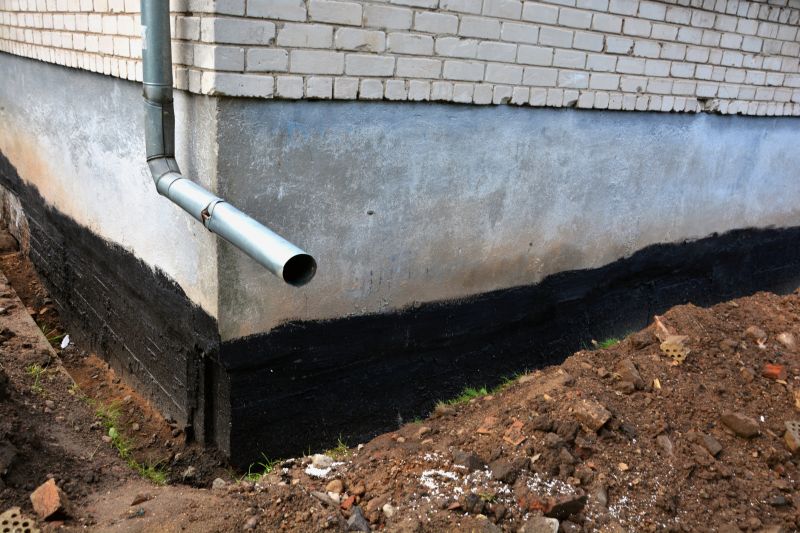
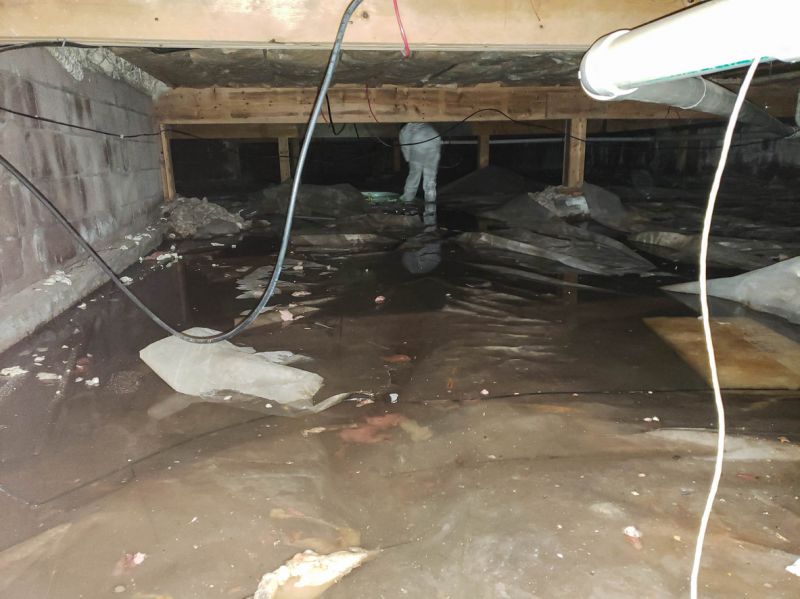
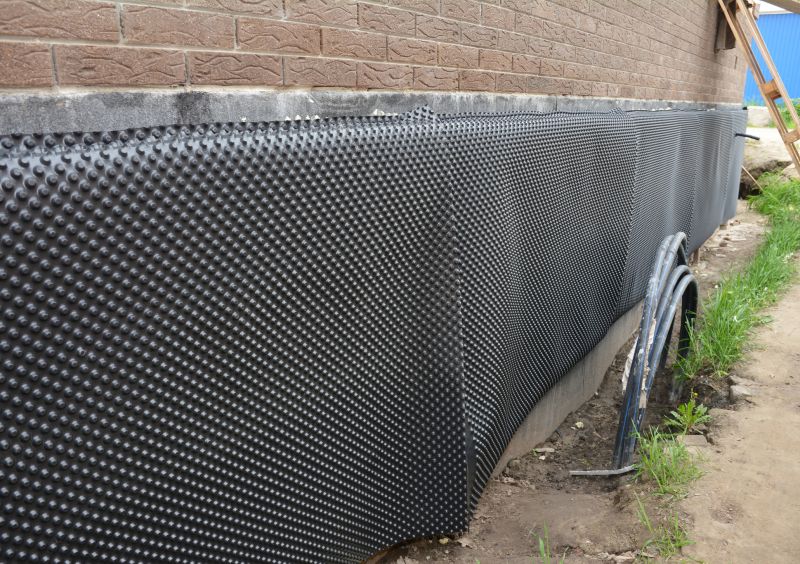
When homeowners search for basement waterproofing solutions for finished basements, they are typically looking for ways to prevent or address water intrusion that can compromise the comfort and usability of their living space. Finished basements are often used as family rooms, home offices, or additional bedrooms, making any moisture issues particularly disruptive. People interested in this topic usually want to understand how to keep their basement dry and prevent problems like mold, mildew, or structural damage caused by water seepage. The search often stems from noticing signs of dampness, such as musty odors, water stains, or visible condensation, or from planning renovations that require a dry environment.
These waterproofing solutions are closely related to common problems like basement leaks, rising damp, or foundation cracks that allow water to enter the space. Many plans involve improving drainage around the property, installing interior or exterior waterproofing systems, or sealing foundation walls. Some homeowners may also be exploring options for ongoing maintenance or preventative measures to keep their finished basement dry over time. Understanding these issues helps clarify how professional services can provide targeted solutions that address the root causes of water intrusion and protect the investment in a finished living area.
The types of properties that frequently come up in this context include single-family homes, especially those built on slabs or with basements that have been finished after construction. Older homes with foundation issues are often prime candidates for waterproofing projects, as they tend to be more susceptible to water problems. Additionally, homes in areas with high water tables, heavy rainfall, or poor drainage are more likely to require specialized waterproofing systems to keep the basement dry. Commercial properties with finished lower levels may also benefit from these services, especially when the space is used for offices or storage.
Local basement waterproofing service providers are equipped to handle a variety of property types and water intrusion issues. They typically assess the specific conditions of each property, recommend suitable waterproofing methods, and install systems designed to keep finished basements dry and functional. Whether it involves interior sealants, exterior drainage improvements, sump pump installations, or foundation repairs, these professionals bring practical solutions tailored to each project. Homeowners can benefit from consulting with local experts who understand regional conditions and can recommend effective waterproofing strategies that help maintain the integrity and comfort of finished basement spaces.
Foundation Repair - foundation repair projects often involve waterproofing techniques to stabilize and protect basement structures, making them related to basement waterproofing solutions for finished basements.
Interior Drainage Systems - installing interior drainage systems is a common approach to managing water intrusion, requiring similar planning and tools used in basement waterproofing for finished spaces.
Basement Wall Restoration - wall restoration projects address damaged or bowed basement walls and often incorporate waterproofing methods to prevent future moisture issues.
Crawl Space Encapsulation - encapsulation involves sealing and insulating crawl spaces, sharing waterproofing principles that can benefit finished basement environments.
Waterproofing Membrane Installation - applying waterproof membranes to basement walls and floors is a core service that directly overlaps with waterproofing solutions for finished basements.
Moisture Control and Ventilation - projects focused on controlling humidity and improving ventilation are related to basement waterproofing, as they help prevent moisture buildup in finished basement areas.
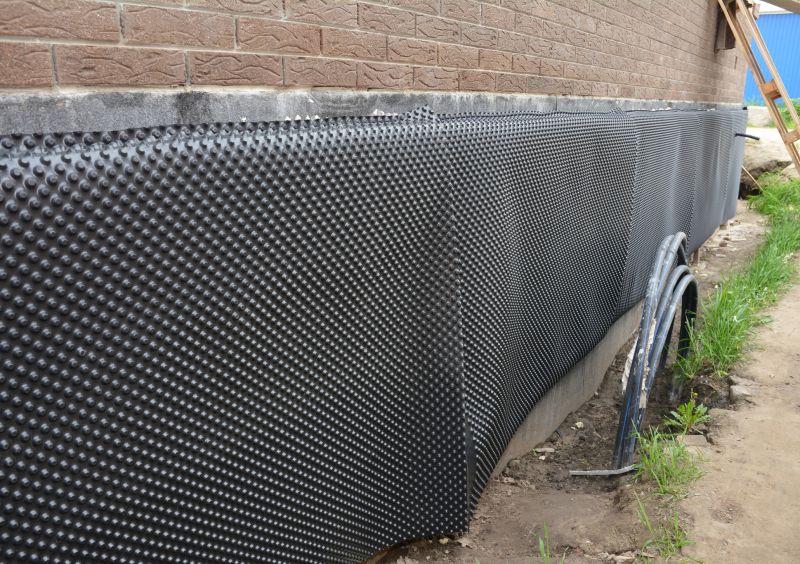
When evaluating service providers for basement waterproofing solutions in finished basements, it is important to consider their experience with similar projects. Homeowners should inquire about the types of waterproofing systems the contractors have installed in finished basement environments and whether they have encountered challenges specific to such spaces. An experienced local contractor will have a better understanding of the unique factors involved, such as existing finishes and layout considerations, which can influence the effectiveness and longevity of the waterproofing measures.
Clear, written expectations are essential to ensure both parties are aligned on the scope of work, materials used, and the projected outcomes. Homeowners should seek detailed proposals that outline the specific waterproofing techniques, the areas to be addressed, and any necessary prep work or modifications. Having these expectations documented helps prevent misunderstandings and provides a reference point throughout the project, contributing to a smoother process and a more predictable result.
Reputable references and good communication are key indicators of a reliable service provider. Homeowners are encouraged to ask for references from previous clients who had similar basement waterproofing needs, particularly in finished spaces. This can provide insight into the contractor’s workmanship and reliability. Additionally, contractors who communicate clearly, respond promptly to questions, and explain their methods in understandable terms tend to foster a more positive working relationship, ensuring that concerns are addressed and the project progresses with transparency.
Property owners often search for basement waterproofing solutions for finished basements when they are planning practical projects around their homes and businesses. Local pros provide Basement Waterproofing Solutions services for everyday jobs and straightforward project options.
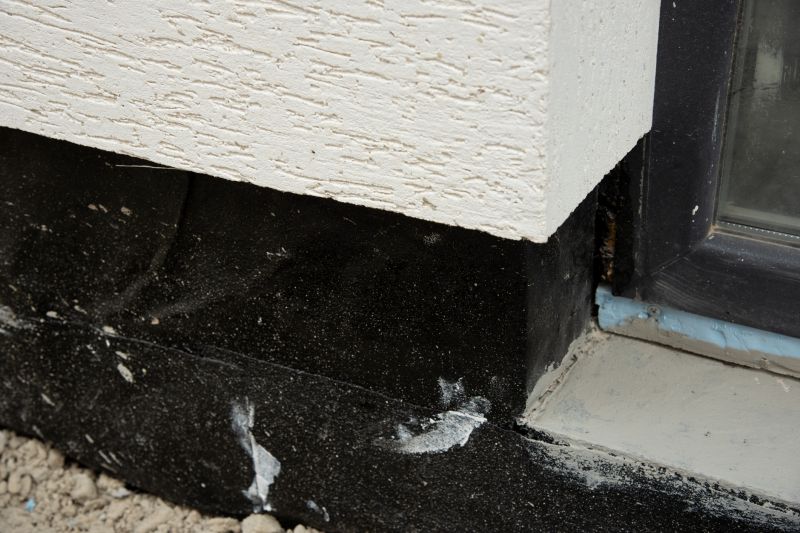
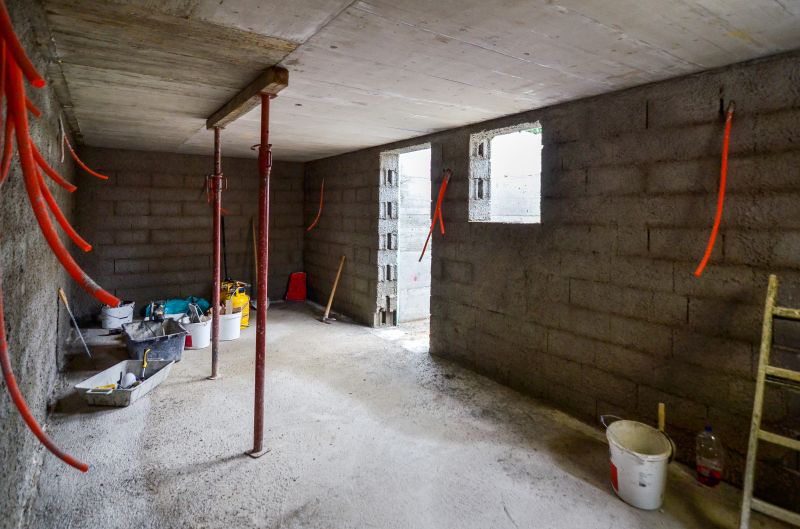
Homeowners with finished basements often seek basement waterproofing solutions when they notice signs of moisture, such as damp walls, mold growth, or a musty odor. These issues can develop unexpectedly, especially after heavy rains or seasonal changes, prompting property owners to look for effective ways to protect their living spaces. Local contractors who specialize in basement waterproofing can assess the situation and recommend appropriate services to help prevent water intrusion, ensuring the basement remains dry and comfortable.
Many property owners in the area turn to local service providers for basement waterproofing solutions because they want reliable, professional assistance tailored to their specific needs. Whether dealing with minor leaks or more significant water issues, these experts can offer a range of options to improve basement dryness and durability. Connecting with experienced local contractors allows homeowners to explore practical solutions that help safeguard their finished basements against future water problems.
What types of basement waterproofing solutions are suitable for finished basements? Local contractors often recommend interior waterproofing methods such as sealants, drainage systems, and sump pumps to manage moisture in finished basements effectively.
Can basement waterproofing solutions be integrated into existing finished spaces? Yes, experienced service providers can incorporate waterproofing measures into finished basements through minimally invasive techniques that protect the existing design.
What signs indicate the need for basement waterproofing in a finished basement? Common signs include persistent dampness, mold growth, water stains, or a musty odor, which local pros can assess to determine appropriate waterproofing solutions.
Are there specific waterproofing methods recommended for basements with finished ceilings and walls? Yes, interior solutions like applying waterproof coatings, installing drainage systems, and sealing cracks are often suitable for finished basements to prevent water intrusion.
How do local service providers determine the best waterproofing approach for a finished basement? They typically evaluate the basement’s structure, moisture issues, and existing finishes to recommend effective waterproofing solutions tailored to each space.
Assessing moisture sources - Property owners can identify potential water entry points in their finished basements and explore basement waterproofing solutions with local contractors.
Choosing appropriate drainage systems - Homeowners can consider installing interior or exterior drainage solutions to manage groundwater and prevent leaks in finished basement spaces.
Sealing foundation cracks - Detecting and sealing cracks in basement walls and floors can help reduce water intrusion, with local pros providing effective waterproofing treatments.
Installing sump pumps or dehumidifiers - Adding sump pumps or dehumidification systems can control excess moisture, supporting a dry and stable environment in finished basements.
If you are thinking about basement waterproofing solutions for finished basements for a property, this guide is meant to help you understand this topic, the typical project types, and how different options might fit your plans.
When you are ready, you can use the quote form on this page to share a few details about your project. From there, local pros can review the basics and follow up with options that match what you have in mind.